
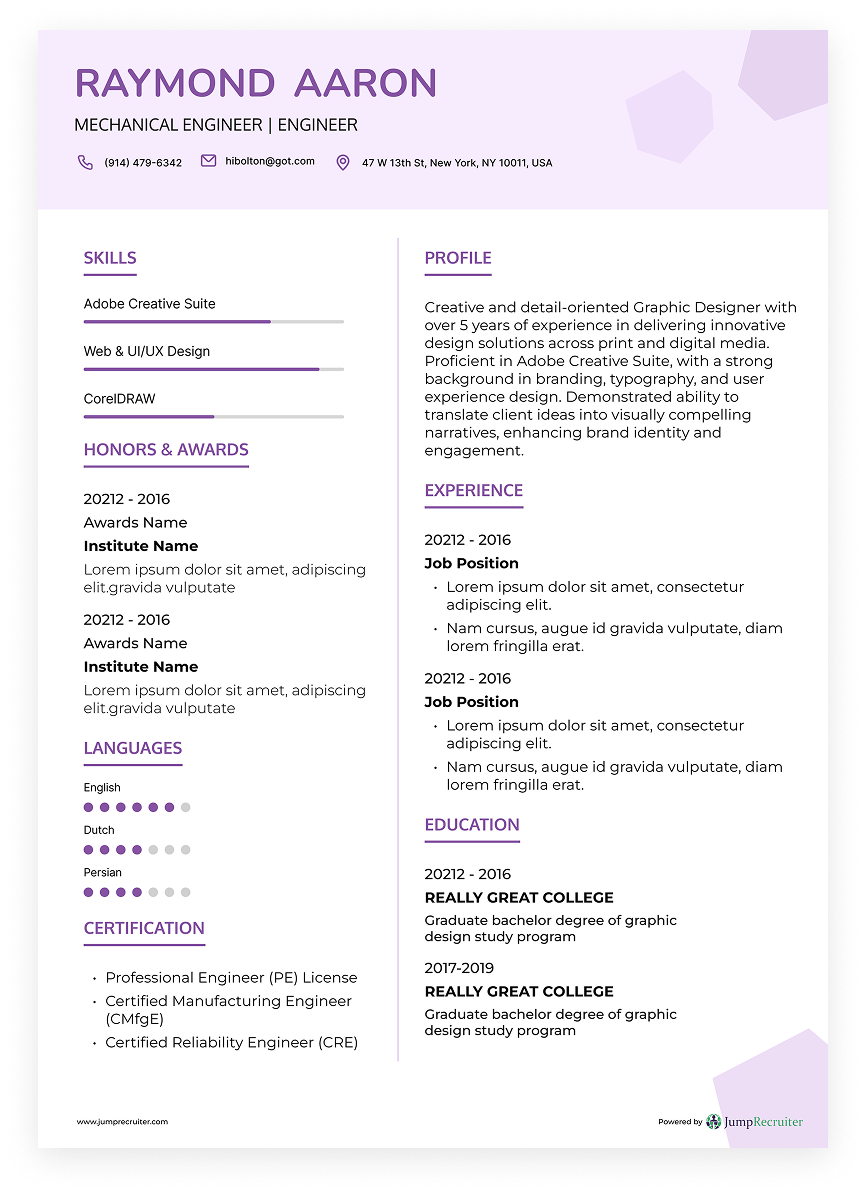


Your resume should reflect the depth of your academic background, technical exposure, and practical experience. Reviewing examples based on your career stage helps you present your work more effectively and position your profile for the right opportunities. You can also explore our ATS-friendly resume examples across different roles to understand how strong applications are structured and what employers expect.
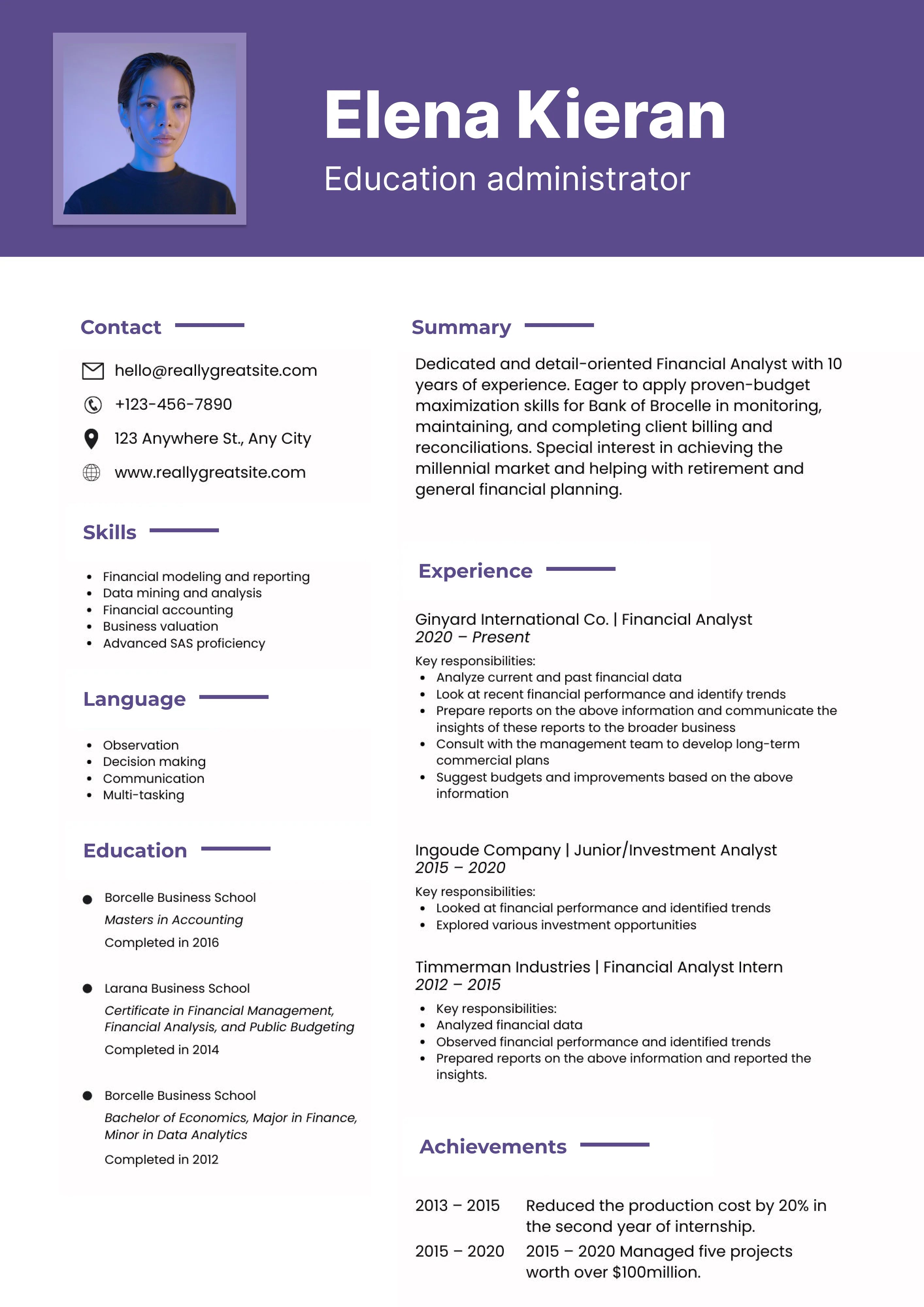
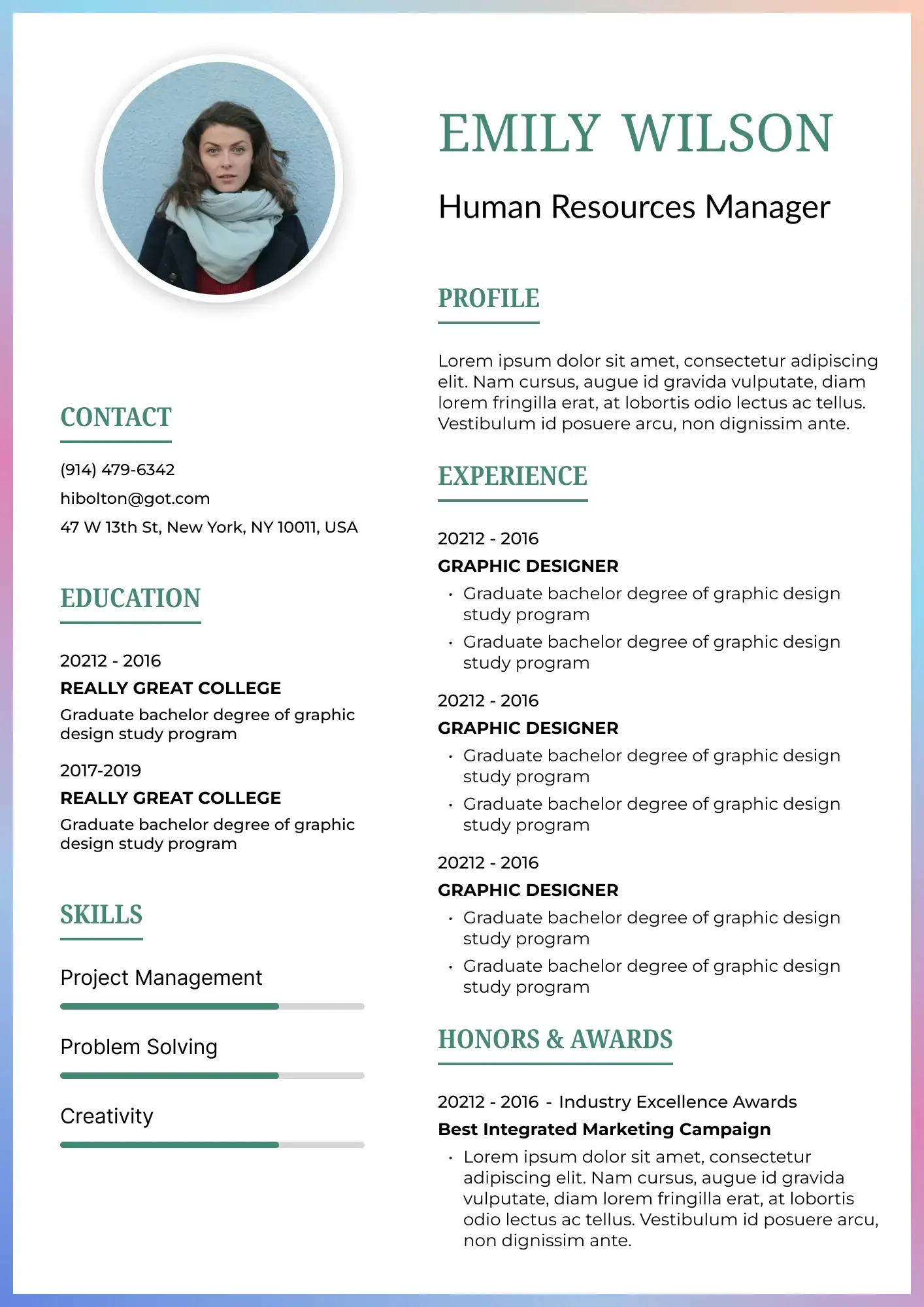
A well structured resume helps employers quickly understand your academic background, technical knowledge, and practical experience. The examples on this page follow formats used in real hiring scenarios, helping you present your work in a way that is clear, relevant, and easy to evaluate.
Our free resume making tool guides you through each section with industry specific resume templates and AI content suggestions. Start organizing your resume in a format that reflects your strengths and aligns with hiring expectations.
Your summary should highlight your area of focus, whether it is laboratory work, research, or applied science roles. Keep it concise while clearly presenting your expertise, key strengths, and the value you can bring to a scientific or technical environment.
Structure your experience to reflect your involvement in experiments, analysis, and reporting. Instead of listing tasks, describe your contributions in terms of outcomes, such as supporting research goals, improving processes, or maintaining accuracy in results.
Your skills section should combine technical knowledge with practical application. Include laboratory techniques, analytical methods, and tools you have worked with, along with professional strengths that support your ability to work in team based or research driven environments.
Understanding the difference between a CV and a resume helps you choose the right format for your application. Each format serves a different purpose depending on the type of role you are targeting.
A CV is more detailed and is commonly used for academic or research-based roles. It allows you to include publications, research work, and extended academic experience.
A resume is shorter and more focused, making it suitable for industry roles where employers prefer concise and relevant information.
With our AI free resume templates, you can adjust your document depending on your goal, whether you are applying for corporate roles or academic opportunities. Best of all, our templates ensure your final draft matches ATS-friendly resume examples that successfully pass through automated hiring filters.
Applying for advanced academic programs requires a different approach. Your document should show depth, consistency, and research potential.
Highlight your projects, lab work, and any contributions that demonstrate your involvement in research activities.
Include your academic achievements and progression in a way that reflects your readiness for further study.
Your skills section should clearly reflect the technical expertise and practical knowledge expected in lab, research, and industry roles. Strong resumes include ATS friendly keywords that align with job requirements, helping your profile get noticed in both automated systems and by hiring managers.
With Jump Resume Builder, you can identify and add the right skills through guided sections and AI supported suggestions, ensuring your resume stays relevant, keyword optimized, and aligned with real hiring expectations.
Focus on skills that demonstrate your ability to work with scientific methods and tools. Include keywords such as spectroscopy, chromatography, chemical analysis, laboratory testing, and data interpretation. Our resume builder helps you place these skills in the right sections so they are clearly visible and properly structured.
Clearly present your experience with lab equipment, experimental procedures, and quality control processes. Keywords like sample preparation, analytical instrumentation, method validation, and research documentation improve the visibility of your resume in hiring systems. With customizable templates, you can present this experience without clutter.
In addition to technical abilities, include strengths such as attention to detail, problem solving, teamwork, and communication. These skills support your ability to work effectively in structured lab environments and collaborative research settings, and our builder ensures they are balanced with your technical profile for a complete presentation.
Your experience section should go beyond listing tasks. It should clearly show what you contributed and how your work made a difference.
Focus on Results: Describe your work in terms of outcomes rather than duties. This helps employers understand your impact.
Keep It Relevant: Include experience that aligns with the role you are applying for. This improves clarity and increases your chances of being shortlisted.
A single version of your resume may not work for every opportunity. Adjusting your content helps make your profile more relevant and increases your chances of getting shortlisted.
Update your resume based on the expectations mentioned in job descriptions, ensuring your skills and experience reflect what employers are looking for.
Whether you are applying for industry roles or academic programs, your resume should clearly reflect your goals and area of focus.
Once you understand how strong resumes are structured, the next step is to build your own. Jump Resume Builder helps you turn these examples into a complete and professional document without worrying about formatting or layout.
Use our customizable resume templates that keep your content organized and easy to review, helping you present your experience in a clean and consistent format.
Get guided AI keyword suggestions that help improve your summary, experience, and skills so your resume reflects your strengths and matches real hiring expectations.
Upgrade your resume in minutes
Use this AI resume builder to create an ATS-friendly chemistry resume and get more interviews.
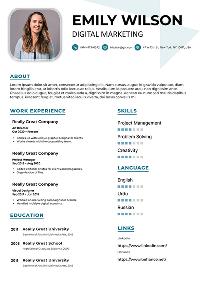
A strong resume should include a clear summary, relevant lab or project experience, technical skills such as analytical methods or instrumentation, and your academic background. It should also highlight your contributions to experiments or research outcomes in a structured and easy to review format.
Include technical skills such as data analysis, laboratory techniques, and equipment handling, along with professional strengths like attention to detail and problem solving. Using role specific keywords can also improve how your resume performs in hiring systems.
To make your resume ATS-friendly, use clear section headings, include relevant keywords from job descriptions, and avoid complex formatting like tables or graphics. Focus on standard layouts, consistent formatting, and placing important skills and experience in easily readable sections so both hiring systems and recruiters can quickly evaluate your profile.
Include technical skills such as data analysis, laboratory techniques, and equipment handling, along with professional strengths like attention to detail and problem solving. Using role specific keywords can also improve how your resume performs in hiring systems.
Focus on presenting your work in terms of results rather than tasks. Highlight your involvement in experiments, data interpretation, or process improvements, and ensure your resume is clearly structured so employers can quickly understand your value.
A well-structured resume can improve how your application is evaluated. With clear examples, optimized content, and the right format, you can create a document that reflects your experience and aligns with both research and industry roles.
